Français




Availability:
2 In Stock
WR-SAL6-S2
There are 30 products.
WR-SAL6-S2
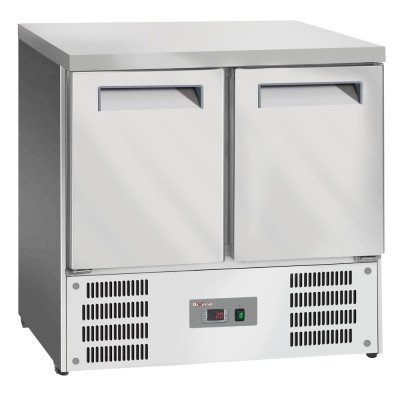
The WR-SAG1-T2 professional refrigerated table is designed for commercial kitchens looking for compact, high-performance, and reliable equipment. Featuring a ventilated GN 1/1 storage compartment, it ensures consistent food preservation while providing a sturdy stainless steel work surface for food preparation.
WR-SRP6-Z2
WR-SAS2-P2
WR-SAL6-L2
WR-SAL6-S3
SA26/X2
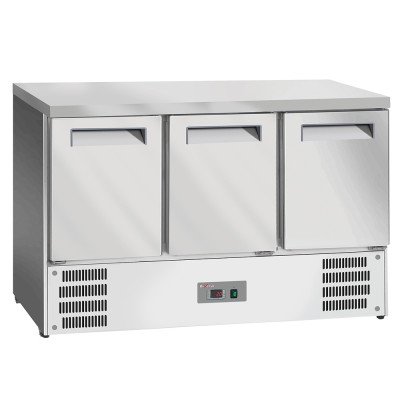
The WR-SAG1-T3 refrigerated table is designed for professional kitchens requiring increased refrigerated storage capacity while maintaining a durable stainless-steel work surface. Its ventilated cooling system ensures consistent temperature distribution.
WR-SRP6-Z3
WR-SAS2-P3
WR-SAL6-L3
SA36/X3
Discover our saladette tables (refrigerated saladettes), ideal solutions for optimizing space and efficiency in professional kitchens. These compact units offer refrigerated storage combined with a work surface, perfect for preparing salads and sandwiches. Explore also our refrigerated cabinets for additional storage, and our refrigerated display cases for an attractive presentation of fresh products. At Frigo Horeca, we offer refrigeration equipment suitable for all needs.
What is a refrigerated preparation table?
The refrigerated preparation table (refrigerated saladette table) is an essential element for restaurant professionals, offering a remarkable two-in-one solution for storing fresh products while allowing for direct preparation. This multifunctional furniture serves not only as a storage area for temperature-controlled ingredients but also as an organized space for utensils and dishes, thus optimizing efficiency in the kitchen.
Varieties of refrigerated work surfaces Refrigerated work surfaces come in various formats tailored to each specialty of catering, whether it's pizzerias, sandwich shops, or pastry shops, each benefiting from a specific configuration to meet its needs.
Refrigeration options: positive and negative Depending on the nature of the products to be stored, refrigerated work surfaces are divided into positive models for fresh foods and negative ones for frozen products.
Specific work surfaces
Pizza cabinets: Designed for the preservation of pizza ingredients and equipped with storage spaces for preparation tools, these cabinets with granite work surfaces are ideal for pizzerias.
Saladettes: Ideal for sandwich shops, they allow you to store fresh vegetables while facilitating sandwich assembly, with some models even offering a showcase to display toppings.
Pastry towers: Specially designed for bakeries and pastry shops, these towers offer a non-stick marble work surface ideal for pastry preparation, with integrated storage space for finished products.
Each type of refrigerated work surface is designed to maximize efficiency and quality in food preparation, ensuring freshness and food safety.
Selecting an appropriate refrigerated preparation table
For managers of pizzerias, sandwich shops, bakeries, pastry shops, or any other type of restaurant, choosing a professional refrigerated preparation table is crucial for efficiency and service quality. Here are some tips to help you select the furniture that perfectly suits your needs.
The first step in choosing your refrigerated preparation table is to clearly define its use within your establishment.
What types of dishes do you offer?
What are the specificities of your culinary offer?
These questions will guide you to the most suitable model, whether it's a traditional table (positive or negative), a specific pizza furniture, a pastry tower, or a saladette.
Selection criteria and advantages by type
Professional preparation table: Ideal for maintaining food at the right temperature and preparing your dishes in optimal hygienic conditions. Made of stainless steel for durability and easy maintenance. Available in refrigerated models (positive or negative) according to your storage needs.
Pizza cabinet: Designed to facilitate the work of pizza makers with space to store dough and a granite work surface for preparation. Customization options such as gastro bins for toppings and an integrated saladette increase efficiency.
Pastry tower: Specifically designed for bakeries and pastry shops, it allows you to work pastries on a non-stick granite surface and store them at the ideal temperature. A hygienic choice that facilitates cleaning and optimizes work organization.
Refrigerated saladette: Perfect for sandwich shops, it allows you to prepare and store fresh ingredients within easy reach, maximizing workspace and reducing movements. Constructed of stainless steel, it ensures durability, ease of maintenance, and efficiency.
Selecting the cooling system for your refrigeration equipment
When purchasing a refrigerated preparation table, the type of cooling system is a determining criterion. It directly influences the management of your food stocks. You will have the choice between static cold and ventilated cold, each presenting its advantages and limitations.
Static cold Static cold relies on natural air circulation, made possible by the evaporator. This method results in uneven temperature distribution within the device: the upper part is warmer compared to the lower area. It is therefore essential to organize products according to their temperature requirements.
Advantages Disadvantages -More affordable financially
-Lower initial acquisition cost
-Reduced noise level
-Uneven temperature requiring specific product arrangement
-Sensitivity to temperature variations during frequent door openings
Ventilated cold Ventilated cold uses a fan to circulate cold air, ensuring a uniform temperature inside the device. This feature eliminates the need to sort food according to their cold requirement, thus simplifying storage.
Advantages Disadvantages -Uniform temperature throughout the device
-Designed for regular and intensive use
-Simplified storage thanks to homogeneous refrigeration
-Possible food dehydration due to constant airflow, requiring careful packaging of each product
-Higher purchase cost compared to static cold
The decision between static cold and ventilated cold will depend on your specific needs, including budget, type of products to be stored, and frequency of equipment use. A wise choice will guarantee the freshness and quality of your products while optimizing the operation of your kitchen.
What work surface?
The choice of work surface is essential to optimize the functionality of your refrigerated preparation table, directly impacting the quality and efficiency of your culinary preparations. Two materials predominate in this area: stainless steel and granite marble, each with specific characteristics adapted to different uses in catering.
Stainless steel work surface
Advantages Disadvantages -Versatility: Stainless steel is a standard in the restaurant industry, thanks to its robustness and ability to withstand the demanding conditions of professional kitchens.
-Durability: It is known for its resistance to high temperatures and corrosion, ensuring a long service life.
-Maintenance: Its smooth surface facilitates cleaning and hygiene, a major asset in a food environment.
-Economy: In comparison, stainless steel offers a good value for money, combining durability and affordable cost.
-Lightness: Easy to handle and install, it is suitable for various kitchen configurations.
-Thermal conduction: Stainless steel can alter the temperature of foods placed directly on it, which can be a disadvantage for some delicate preparations.
Granite work surface
Advantages Disadvantages -Resistance: Granite is extremely resistant to wear, maintaining its aesthetic appearance and texture over the long term.
-Thermal stability: It does not absorb heat from foods, avoiding the problem of preparation sticking to the surface.
-Hygiene: Granite offers a non-porous surface that limits bacterial proliferation.
-Aesthetics: In addition to its practical qualities, granite brings a touch of elegance and sophistication to the workspace.
-Specific treatment: To maintain its properties and appearance, granite requires the application of hydrophobic or oleophobic products to protect it from water and grease stains.
What storage?
The choice between drawers and swing doors for storage in professional kitchens significantly influences efficiency, accessibility, and optimal use of space. Each option has advantages and disadvantages to consider depending on the size of the kitchen, the type of activity, and preferences in terms of workflow.
Drawers
Advantages Disadvantages Easy viewing and access: Drawers offer excellent visibility and accessibility to utensils and equipment, allowing significant time savings during preparation.
Optimal organization: They are perfect for organizing and storing small materials and gastronorm containers, often used for mise en place.
Space-saving: Drawer opening is less cumbersome, which is particularly advantageous in tight or busy spaces.
-Reduced refrigerated space: Installing drawers can reduce the available space for refrigerated storage, which can be a compromise for some establishments requiring a large volume of cold storage.
Swing doors
Advantages