Français



Availability:
23 In Stock
03D/6S
There are 11 products.
03D/6S
WR-LB40-MPSC
DC402/6
DC402/6
DC402/6
DC402/6
DC402/6
DBS5/6
DBS5/6_RS15/AT
D281/6B_RS15/AT
DBS5/6_RS15/AT_DVR
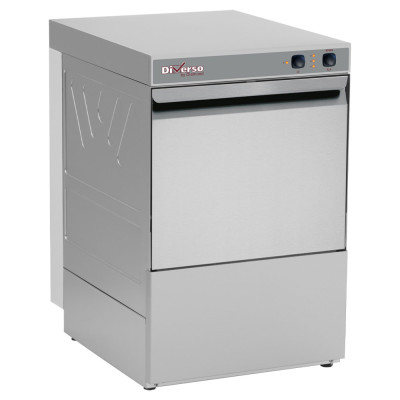
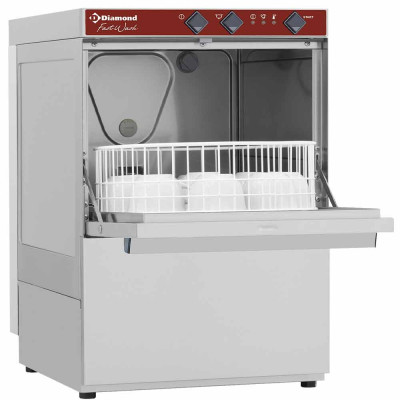
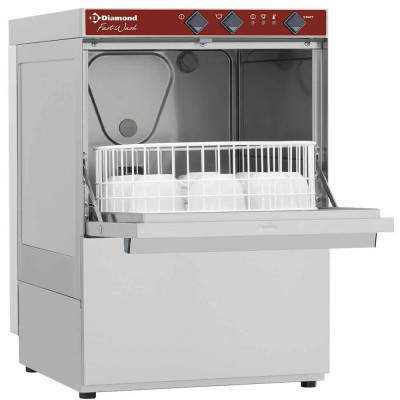
Professional dishwashers are essential in the horeca industry, ensuring efficient and hygienic cleaning of all your dishes. At Frigo Horeca in Brussels, we understand the importance of maintaining a clean and efficient kitchen, which is why we offer a wide range of dishwashers, including glasswashers and hood dishwashers, tailored to the specific needs of restaurants, hotels, and cafes.
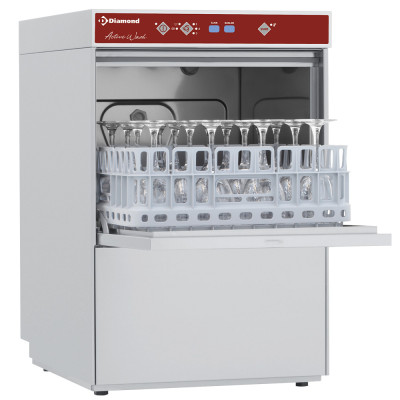
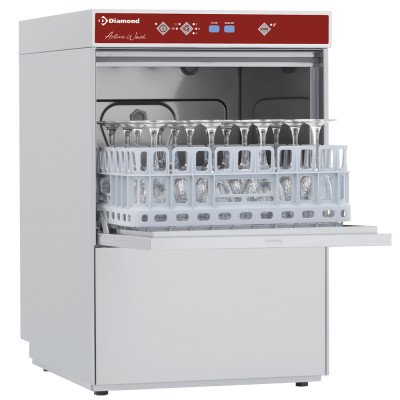
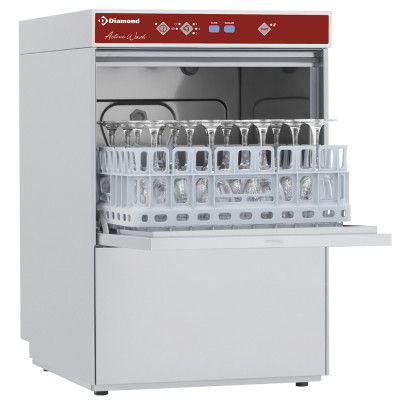
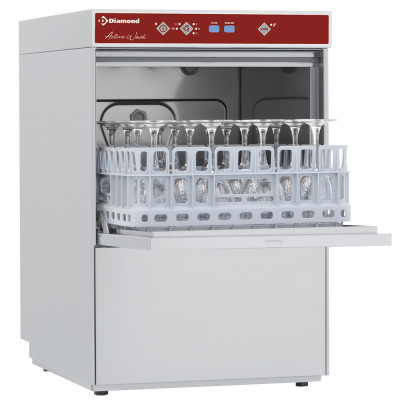
How to choose the right dishwasher for your establishment Choosing the right dishwasher is crucial for optimizing your kitchen's efficiency and ensuring impeccable cleanliness of your utensils. Hood dishwashers, for example, are perfect for large-scale kitchens due to their high capacity and rapid washing cycle. These appliances allow for washing large quantities of dishes in a short amount of time, which is ideal for peak hours. Glasswashers, on the other hand, are specially designed to clean delicate glasses without damaging them, ensuring a perfect shine and no streaks, which is essential for maintaining impeccable presentation.
When selecting your dishwasher, several criteria must be considered to ensure that the appliance meets all your needs. The capacity and dimensions of the appliance are key elements. Tailor the size of the dishwasher to the available space in your kitchen as well as the volume of dishes you need to wash daily. An undersized dishwasher will require more frequent washing cycles, while an oversized model could be an inefficient use of space and resources.
Next, consider the type of washing: high-temperature systems are particularly effective for disinfecting dishes and eliminating bacteria, ensuring optimal hygiene. These systems use hot water to dissolve grease and food residues, reducing the need for chemical products. Conversely, low-temperature systems may be more economical in terms of energy consumption and are better suited for certain types of delicate dishes that could be damaged by excessive heat.
The material and construction of the dishwasher are also crucial. Appliances made of stainless steel are particularly prized for their durability, corrosion resistance, and ease of cleaning. These characteristics make them an ideal choice for intensive use in a professional environment where equipment reliability and longevity are essential.
The internal configuration of the dishwasher, such as adjustable baskets and washing arms, can greatly affect its efficiency and versatility. Opt for a model that offers flexible options for different sizes and types of dishes, allowing you to optimize each washing cycle. Modular baskets can accommodate plates, glasses, cutlery, and various kitchen utensils, ensuring thorough and uniform cleaning.
A precise and easy-to-use control system is essential for ensuring optimal and economical washing. Dishwashers from the Diamond brand, available at Frigo Horeca, are renowned for their advanced technology and reliability. They often incorporate pre-programmed washing programs as well as customizable options, allowing you to adapt the washing cycle according to the load and level of soiling of the dishes. These features ensure superior performance and a long service life, while simplifying the work of your teams.
Maintenance and hygiene are paramount to ensure optimal operation of your dishwasher and extend its service life. Choose a model that is easy to clean, with smooth surfaces and removable components that facilitate regular maintenance. Regular cleaning of filters and washing arms is essential to prevent blockages and maintain optimal performance. Finally, evaluate your budget, taking into account not only the initial cost of the appliance but also potential savings in terms of water and energy consumption in the long run.
Do not hesitate to seek advice from our experts at Frigo Horeca in Brussels. With years of experience in the field, we are here to help you select the professional dishwasher that best suits your specific needs. We also offer quality after-sales service, including installation, maintenance, and repairs to ensure continuous operation of your equipment.
At Frigo Horeca, we are committed to providing our customers with superior washing solutions, supported by exceptional customer service. Come and discover our full range of professional dishwashers in our showroom in Brussels or consult our online catalog to find the ideal model for your establishment. Whether you need a compact glasswasher for your bar or a hood dishwasher for your central kitchen, we have the equipment you need to ensure impeccable hygiene and maximum efficiency.