

No products available yet

Stay tuned! More products will be shown here as they are added.

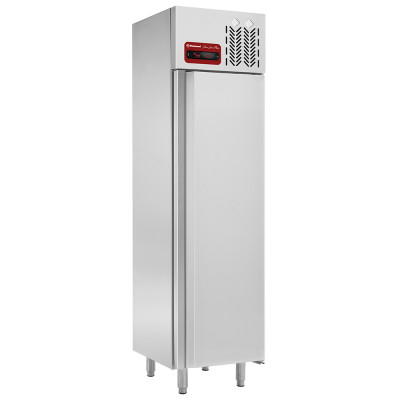
Combined cell cabinet: the 2-in-1 solution for production cold

The combined cell cabinet is a hybrid professional equipment that brings together in the same frame a rapid cooling or freezing cell (blast chiller) and a cold storage cabinet. This combination meets a specific need of professional kitchens: having a compact tool that allows both rapidly bringing down the temperature of a cooked preparation (HACCP compliance) AND storing it afterwards in the same unit, without intermediate transfer. It is a major gain in space, time and production fluidity for medium kitchens that do not have space for two separate pieces of equipment.

At Frigo Horeca, we offer GN 1/1 combined cabinets in current capacities (5 to 20 kg processed per cycle). This page explains the interest of the combination, use cases and selection criteria.

Why invest in a combined cell cabinet?

The first interest is space saving. A rapid cooling cell and a storage cabinet each take about 1 m² on the floor. A combined cabinet reduces the footprint to a single equipment, sometimes on the same surface as a simple refrigerated cabinet. For medium-sized kitchens (50-100 covers) where every square metre counts, it is decisive.

The second is production flow fluidity. Preparation → blast cycle → storage: everything happens in the same place, without intermediate handling. The chef places dishes in the cell, launches the rapid cooling cycle, and at the end of the cycle, dishes are automatically at the right storage temperature. No need to transfer them to another cabinet.

The third is simplified HACCP compliance. With a combined cabinet, respect for the cold chain is ensured end to end: rapid temperature descent (HACCP), then maintenance at +3°C for positive storage or -18°C for negative storage. Traceability is facilitated by a single device to control.

In which establishments should you install a combined cabinet?

Medium to high-throughput restaurants (50 to 150 covers) are the first users: need for a blast chiller for HACCP production, but not the space for a separate cell. The combined cabinet & rapid cooling cell GN 1/1 (20 Kg) is perfectly calibrated for this context.

Medium-sized caterers appreciate versatility: preparation in advance of orders, HACCP descent, safe storage in the same device. It is a practical alternative to a fleet of several separate equipments.

Pastries and bakeries with multi-daily production use the combined cabinet for entremet bases, raw viennoiseries to freeze, dough to rest. Perfect function combination for their flow.

Small collective central kitchens (schools, medium-sized retirement homes) see it as a central ergonomic tool to respect HACCP without investing in a dedicated rapid cell freezer + a separate freezer cabinet.

How to choose your combined cabinet

Blast cycle and storage capacity

The combined cabinet is sized according to two parameters: blast cycle capacity (kg processed in one cycle) and storage volume. For a medium restaurant, count 10-20 kg per cycle and 200-400 litres of useful storage.

Available cycle modes

High-end models offer several cycles: rapid cooling (+70°C → +3°C in 90 min), rapid freezing (+70°C → -18°C in 4h), positive cold maintenance, negative cold maintenance. Check that all modes useful to your activity are available.

Core probe and HACCP traceability

As for a dedicated cell, the core probe is essential to control real product temperature and guarantee HACCP compliance. The electronic traceability (printing or USB export) is an asset for health inspections.

Our selection of combined cell cabinets

Buying the right combined cell cabinet

The combined cell cabinet is a structuring investment for the cold production of a medium-sized kitchen. Some rules:

Choose a specialised brand: the blast/storage compromise is complex to achieve, only experienced manufacturers achieve it without compromising either function.

Check integrated HACCP traceability and the presence of a core probe: these two elements make the difference between a useful device and a simply declarative one.

Think about your complete ecosystem: the combined cabinet works as a relay to your classic refrigerated cabinets and freezer cabinets for long-term storage, and can complement or replace a dedicated rapid cell freezer for small productions. If your activity grows, plan for the possibility to evolve to a separate cell + cabinet fleet.

Finally, demand commissioning training and a local F-Gas after-sales service: a multi-function equipment underused remains a half-amortised investment.

This website uses cookies to ensure you get the best experience on our website